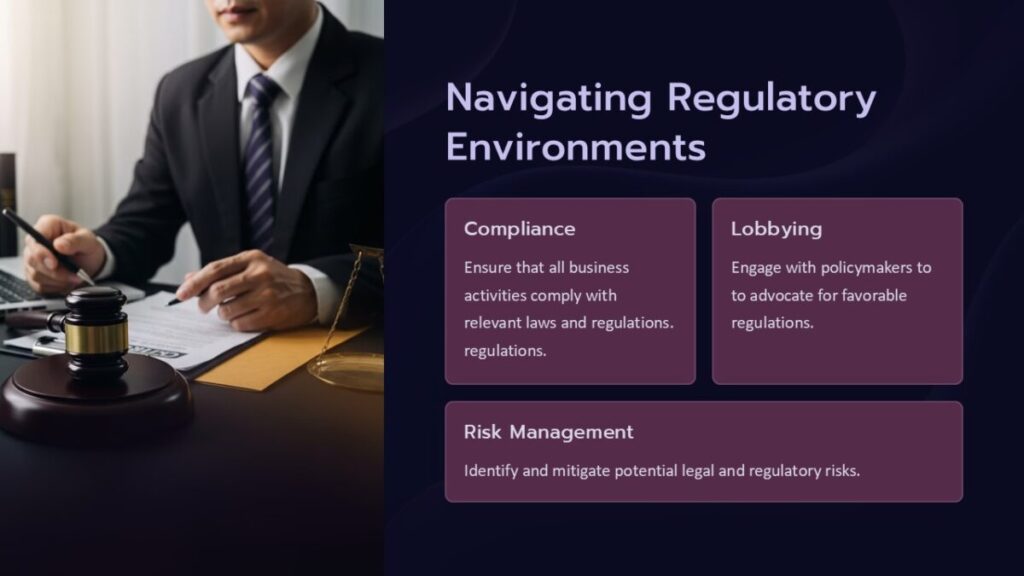
Navigating the Regulatory Landscape for Spribe’s Aviator Crash Game
The global crash games market has seen a meteoric rise in popularity in recent years, with Spribe’s Aviator game emerging as the undisputed leader, commanding an impressive 90% market share across international jurisdictions. However, as the industry continues to evolve, navigating the complex regulatory landscape has become a crucial challenge for operators and players alike. In this comprehensive article, we delve into the intricacies of the legal status of Spribe’s Aviator crash game, exploring its regulatory standing in various markets and the strategies employed by the provider to ensure compliance.
Regulatory Considerations for Crash Games
Crash games, such as Aviator, operate in a unique space within the broader gambling industry, often falling into a gray area when it comes to regulatory oversight. These games, which involve players betting on the outcome of a continuously rising multiplier, have garnered significant attention from both players and regulators worldwide. The fast-paced nature and potential for high-risk betting have raised concerns about player protection and responsible gambling practices.
The Evolving Regulatory Landscape
Across different jurisdictions, the legal status of crash games varies significantly. Some markets have embraced these innovative offerings, recognizing their potential to attract and engage players, while others have taken a more cautious approach, implementing stricter regulations or even outright bans.
Navigating Regional Differences
One of the key challenges faced by providers like Spribe is the need to adapt to the diverse regulatory environments across different regions. What may be considered a legal and approved offering in one country may be prohibited in another, requiring providers to carefully navigate the intricacies of each market’s gambling laws and licensing requirements.
Spribe’s Approach to Regulatory Compliance
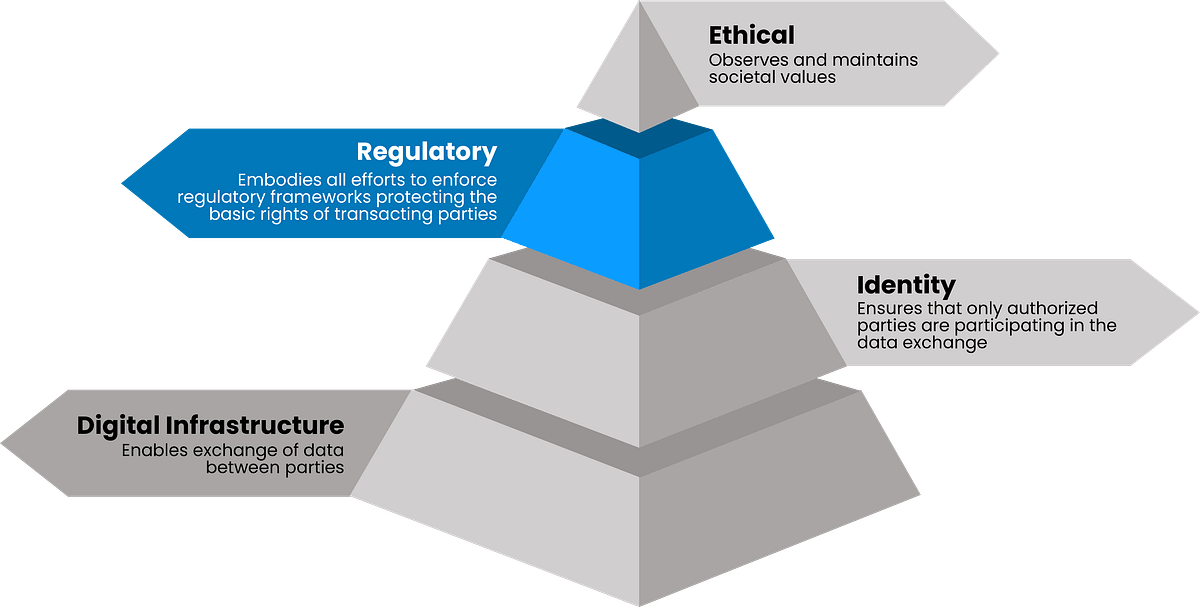
As the market leader in the crash games segment, Spribe has demonstrated a proactive approach to addressing regulatory concerns and ensuring the compliance of its flagship product, Aviator. The company has invested significant resources in understanding the evolving regulatory landscape and has taken steps to align its operations with the requirements of various jurisdictions.
Licensing and Certifications
Spribe has obtained licenses and certifications from several reputable regulatory bodies, including the Malta Gaming Authority (MGA) and the Curaçao eGaming License. These accreditations serve as a testament to the provider’s commitment to responsible and compliant operations, providing players with the assurance that Aviator meets the necessary standards for fairness, security, and player protection.
Collaboration with Regulators
In addition to securing the necessary licenses, Spribe has demonstrated a willingness to engage with regulatory authorities and work collaboratively to address their concerns. This proactive approach has allowed the provider to navigate the regulatory landscape more effectively, adapting its offerings and practices to align with the specific requirements of each market.
Navigating the UK Regulatory Landscape
One notable challenge that Spribe has faced in recent times is the regulatory environment in the United Kingdom. The UK Gambling Commission (UKGC), known for its stringent regulations, has taken a close look at the crash games segment, including Aviator, raising concerns about the potential risks associated with these high-volatility offerings.
The UKGC’s Stance on Crash Games
The UKGC has expressed reservations about the rapid growth of crash games, citing the inherent risks of these products and the potential for player harm. As a result, the regulator has introduced new guidelines and requirements for operators offering crash games, including enhanced player protection measures and responsible gambling safeguards.
Spribe’s Response in the UK Market
In response to the UKGC’s concerns, Spribe has worked diligently to adapt its Aviator game to meet the regulator’s expectations. This has involved implementing additional responsible gambling tools, enhancing transparency around the game’s mechanics, and collaborating with the UKGC to ensure the continued compliance of the Aviator offering in the UK market.
Strategies for Navigating the Regulatory Landscape
As the crash games market continues to evolve, providers like Spribe must remain vigilant and proactive in their approach to regulatory compliance. Here are some key strategies that can help operators navigate the complex regulatory landscape:
Staying Informed and Adaptable
Providers must closely monitor the regulatory developments in their target markets, staying abreast of any changes or new requirements. By maintaining a flexible and adaptable approach, operators can quickly adjust their offerings and practices to ensure continued compliance.
Fostering Collaborative Relationships
Engaging with regulatory authorities and fostering open lines of communication can be a valuable strategy. By working closely with regulators, providers can better understand their concerns and proactively address them, ultimately strengthening the provider’s position in the market.
Prioritizing Responsible Gambling
Responsible gambling practices should be at the forefront of any provider’s operations. Implementing robust player protection measures, such as deposit limits, session time controls, and self-exclusion options, can demonstrate a provider’s commitment to safeguarding player wellbeing and aligning with regulatory expectations.
As the crash games market continues to evolve, navigating the complex regulatory landscape will remain a critical challenge for providers like Spribe. By staying informed, fostering collaborative relationships with regulators, and prioritizing responsible gambling practices, operators can navigate these waters with confidence and ensure the long-term sustainability of their offerings in the international market.
Remember, responsible gambling is essential. If you or someone you know is experiencing problems with gambling, seek help from a reputable organization that provides support and resources for those affected.
